The History & Tradition of Kambo

"Theirs is the harsh world of the lowland forests and swamps... To survive in such a place, the Matsés have become masters of the natural history of the flora and fauna of the region...They have learned to see the jungle as their ally. Neighbouring tribes recognize the Matsés' knowledge. They say the Matsés know the jungle's secrets. Kambo is one of them." — Peter Gorman (Sapo in my Soul)

Indigenous Stewardship & 'Hunting Magic'

While not seen as a medicine in Western clinical terms, Kambo is known indigenously as sagrada medicina (sacred medicine), or sometimes translated as vacina da floresta (vaccine of the forest). This traditional method uses the secretion of Phyllomedusa bicolor, also known as the Giant Monkey Tree Frog. In stark contrast to its popular image as a 'poison', kambo frogs produce a relatively benign secretion which they use simply as an anti-bacterial coating in their humid environment. Found in abundance across the Upper Amazon, the frogs are treated with immense reverence by the tribes that work with them.

The Matsés, the primary tribe associated with the introduction of Kambo to the West, view the frog as a powerful ally rather than a resource. During collection, the frog is never harmed; it is handled with care and returned unscathed to its habitat. For the tribes of the Amazon, Kambo is a tool for optimum vitality, used to clear lethargy and support the stamina required for strenuous, multi-day hunts.
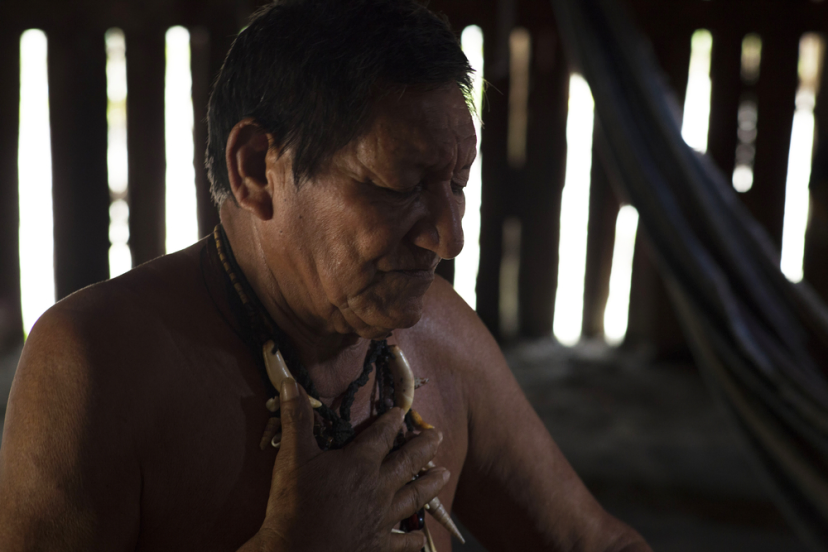
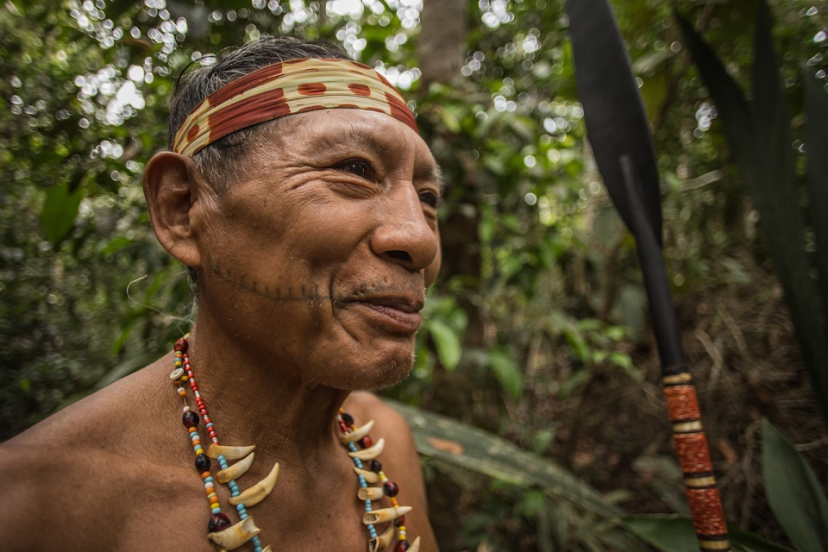
A Matsés shaman - traditional keeper of kambo knowledge in the Amazon rainforest
"As to the spirituality of kambo, I don't think the Matsés gave it any thought other than that it was a medicine they used for various needs. On the other hand, I have heard several Westerners talk about both the frog and the medicine in very spiritual terms. That's fine, of course. A patina of spirituality might help newcomers understand that it's something sacred and not to be abused. But I don't that's the way the antigua Matsés thought about it." — Peter Gorman (Sapo in my Soul)
A Matsés hunter who uses kambo for strength and vitality before the hunt

A tradition of strength and resilience

Central to the tradition is the clearing of Panema, a state associated with diminished vitality, poor fortune in the hunt, and reduced physical performance. In the Amazon, survival depends on strength, endurance, alertness, and resilience. Kambo was traditionally used to overcome these limitations, helping hunters restore their energy, sharpen their senses, and prepare for the demands of the jungle. It was valued not as a cure for a particular condition, but as a way of returning to peak functional capacity.

Kambo began attracting wider international attention during the 1990s, carrying an indigenous Amazonian tradition into a global context. Today, organizations such as the The International Association of Kambo Practitioners (IAKP) help promote training, safety, and ethical practice. While the settings may have changed from remote rainforest communities to modern cities around the world, Kambo continues to be valued for many of the same reasons it has been for generations: vitality, resilience, and the pursuit of optimal performance and wellbeing.

🐸Read about the science and research of kambo